Molested meaning is a phrase many people search for when they want a clear, honest explanation of a serious word. The term appears in news, legal discussions, personal stories, and educational settings. Yet, it is often misunderstood, misused, or avoided because of its emotional weight.
This guide explains the molested meaning in simple language, with care and accuracy. You’ll learn what the word means, how it is used, how it differs from related terms, and why understanding it correctly matters. The goal is clarity, not shock. 🌱
Everything here is written with empathy, expertise, and responsibility—so readers of all backgrounds can understand the term without confusion or unnecessary detail.
What Does “Molested” Mean?
At its core, the molested meaning refers to unwanted and inappropriate sexual contact or behavior toward another person, especially when the person affected is a child or someone unable to give consent.
The word molested describes an act, while molestation describes the behavior or offense. The meaning always involves a violation of personal boundaries and trust.
Key idea: Molestation is never about affection or misunderstanding. It is about harmful, non-consensual behavior. ❗
Simple Definition
Molested means to be subjected to unwanted sexual behavior that causes harm, fear, or distress.
Why the Molested Meaning Is So Important to Understand
Understanding the molested meaning correctly helps in many real-life situations:
- 📚 Reading or writing educational content
- ⚖️ Understanding legal or news reports
- 🗣 Communicating sensitively in conversations
- 💬 Supporting someone who shares their experience
Using the word incorrectly can cause confusion or minimize serious harm. Using it correctly helps create awareness and respect.
Origin and Historical Background of the Word

The word molest comes from the Latin word molestus, which originally meant troublesome, disturbing, or annoying.
Over time, the molested meaning changed significantly. In modern English, it is no longer a general term for annoyance. Today, it almost always refers to sexual misconduct, particularly involving minors.
Language evolves, and so do meanings. “Molested” is a strong example of how words take on more specific and serious definitions over time.
Modern Usage of the Word “Molested”
In modern contexts, the molested meaning is used carefully and deliberately. You’ll most often see it in:
- 📰 News reporting
- ⚖️ Legal documents
- 📘 Educational materials
- 🧠 Psychological discussions
Because the word carries emotional weight, it is rarely used casually.
Molested Meaning in Legal Context
In legal settings, the molested meaning refers to specific criminal acts defined by law. The exact definition can vary by region, but it generally involves:
- Unwanted sexual contact
- Abuse of power or trust
- Victims who cannot legally consent
Legal language aims to be precise. This helps protect victims and ensures accountability.
Legal vs. Everyday Meaning
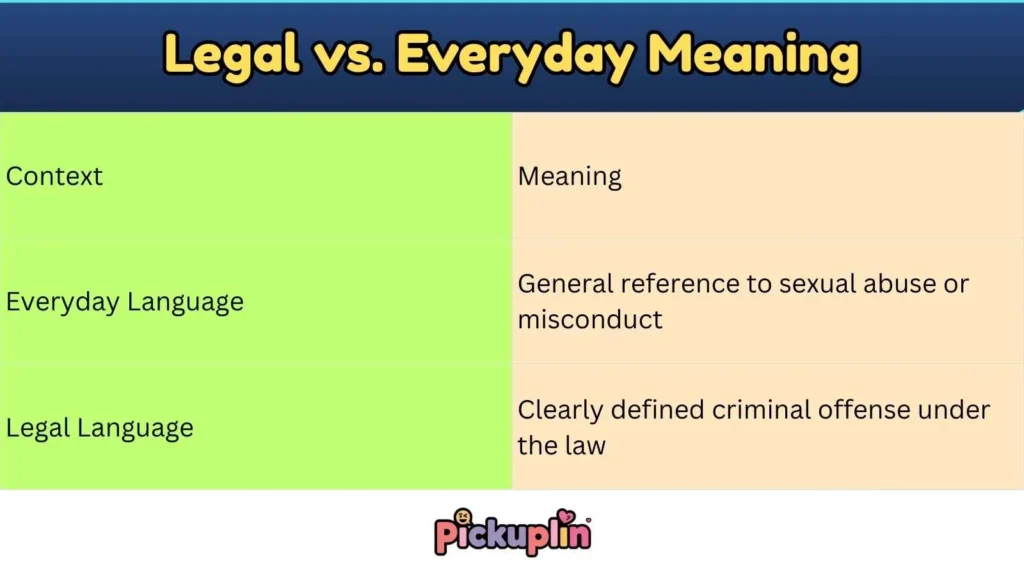
| Context | Meaning |
|---|---|
| Everyday Language | General reference to sexual abuse or misconduct |
| Legal Language | Clearly defined criminal offense under the law |
Molested vs. Abused: Are They the Same?
This is a common question. While related, the terms are not identical.
- Molested: Refers specifically to sexual misconduct
- Abused: Can include physical, emotional, verbal, or sexual harm
So, the molested meaning fits within the broader category of abuse, but it is more specific.
Examples of the Word “Molested” in Sentences
Seeing examples helps clarify the molested meaning without adding graphic detail:
- “The investigation focused on allegations that the child was molested.”
- “The law exists to protect anyone who has been molested.”
- “The book addresses the long-term impact on people who were molested.”
Notice how the word is used seriously and respectfully.
Common Misunderstandings About the Molested Meaning
There are several myths surrounding this word:
- ❌ It means any kind of physical contact (incorrect)
- ❌ It only applies to children (not always)
- ❌ It can be used jokingly (never appropriate)
Fact: The molested meaning always involves a serious violation.
Emotional and Psychological Impact of Molestation
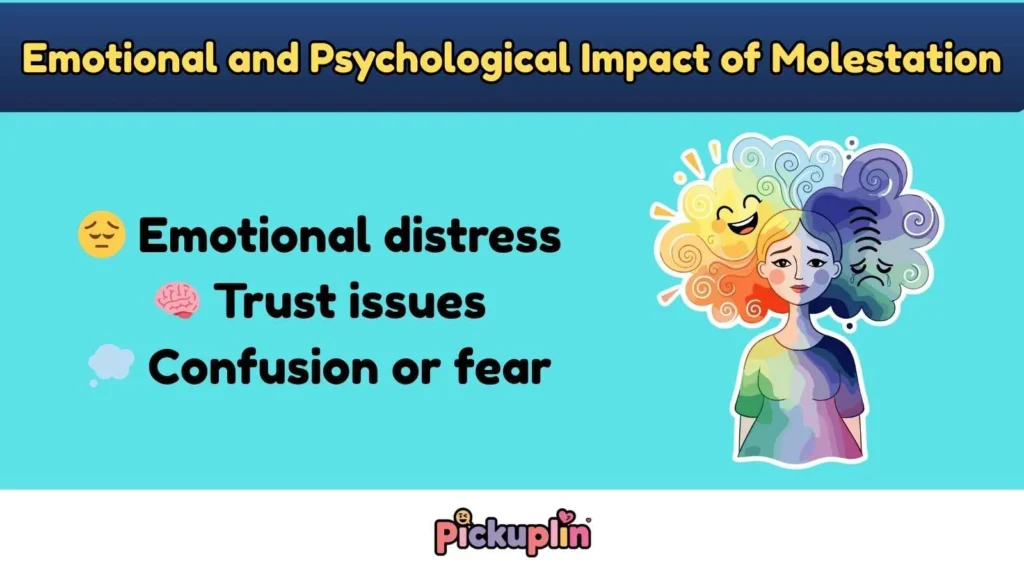
While this article focuses on meaning, it’s important to acknowledge impact—without going into harmful detail.
People who have been molested may experience:
- 😔 Emotional distress
- 🧠 Trust issues
- 💭 Confusion or fear
Understanding the word correctly helps foster empathy rather than judgment.
How to Use the Word Respectfully
Because of its seriousness, the molested meaning should be handled with care.
Best practices:
- Use it only when appropriate
- Avoid sensational language
- Respect privacy and sensitivity
Words matter. 💬
Why Accurate Language Supports Awareness
Using correct definitions helps society:
- 📢 Raise awareness
- 🛡 Protect vulnerable people
- 🤝 Encourage informed conversations
The molested meaning is not just a dictionary entry—it’s part of responsible communication.
FAQs
1. What is the simplest molested meaning?
The simplest molested meaning is being subjected to unwanted sexual behavior that causes harm.
2. Is “molested” always a legal term?
No. It is used both in everyday language and in legal contexts, though legal definitions are more precise.
3. Can adults be molested?
Yes. While often associated with children, adults can also be molested.
4. Is it okay to use the word casually?
No. Because of its seriousness, casual use is inappropriate.
5. Why is understanding this word important?
Understanding the molested meaning promotes awareness, empathy, and responsible communication.
Conclusion:
The molested meaning is serious, specific, and emotionally charged. Understanding it clearly helps avoid misuse, supports respectful dialogue, and encourages empathy.
Words shape understanding. When we use them carefully, we create space for awareness and responsibility. 🌍
`

I’m the voice behind Pikuplin, where I simplify meanings, slang, and everyday expressions in a way that actually makes sense. I love breaking down words and phrases so readers can understand not just the definition, but the real meaning behind them. Every piece I write is based on clarity, curiosity, and real human understanding.