Words shape how we understand the world. Some words feel soft and polite, while others hit straight to the point. One such powerful word is blunt.
If you have ever heard someone say, “I’ll be blunt with you,” or wondered about the slang use of this word, you’re not alone 🤔.
In this in-depth guide, we’ll explore the blunt meaning from every angle — its definition, origin, emotional tone, modern usage, and real-life examples.
What Is the Blunt Meaning? (Simple Definition)
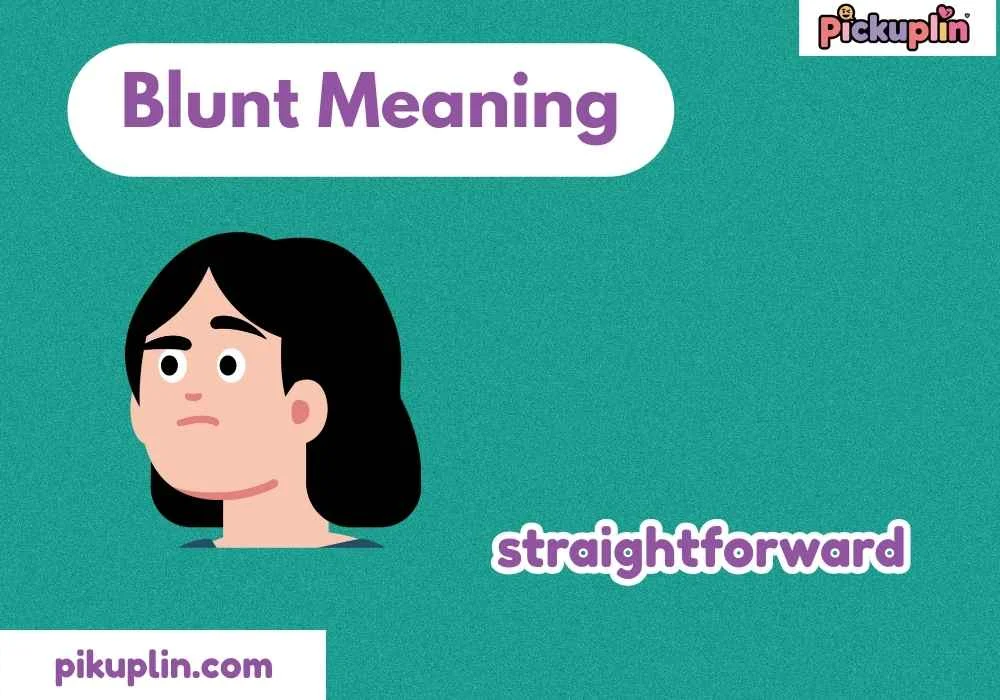
The blunt meaning refers to being direct, straightforward, and honest, often without softening words to protect feelings.
When a person is blunt, they say exactly what they think — no filters, no sugarcoating.
Blunt: expressing something plainly and honestly, sometimes in a way that may seem harsh or abrupt.
Blunt can describe:
- A person’s communication style 🗣️
- An object that is not sharp 🔨
- A slang term with cultural meaning 💬
Understanding context is key — because blunt doesn’t always mean rude.
Origin and Historical Background of the Word “Blunt”
The word blunt has deep historical roots. It comes from Middle English and Old French words that meant dull or rounded.
Originally, blunt described physical objects:
- A blunt knife (not sharp)
- A blunt weapon (less pointed)
Over time, the meaning evolved. People began using blunt metaphorically — to describe speech that is not “sharp” with politeness but still strong in honesty.
This evolution shows how language grows with human experience 📚.
Blunt Meaning in Communication and Personality

In everyday conversation, the blunt meaning is most often linked to communication style.
A blunt person:
- Speaks honestly
- Avoids unnecessary details
- Values truth over comfort
Example:
“I’ll be blunt — this plan won’t work.”
This doesn’t automatically mean the speaker is unkind. Often, bluntness is appreciated for its clarity and efficiency, especially in professional or serious situations.
Is Being Blunt a Good or Bad Thing?
The answer depends on context, tone, and intent.
When Bluntness Is Positive ✅
- Giving honest feedback
- Making important decisions
- Avoiding misunderstandings
When Bluntness Can Feel Negative ⚠️
- In emotional conversations
- Without empathy
- In sensitive cultural settings
True communication skill lies in balancing honesty with respect.
Blunt vs Rude: Understanding the Difference

Many people confuse bluntness with rudeness — but they are not the same.
| Blunt | Rude |
|---|---|
| Honest and direct | Disrespectful or hurtful |
| Focused on clarity | Focused on dominance |
| May lack softness | Lacks consideration |
A blunt message can still be delivered kindly. Rudeness ignores feelings entirely.
Blunt Meaning in Slang (Cultural Usage)
In modern slang, the blunt meaning can take on a different cultural interpretation.
Slang meanings are often informal and depend heavily on region and audience. In casual language, blunt may refer to:
- Direct, unfiltered truth
- A relaxed or casual tone in conversation
Important note: Slang meanings should always be used carefully and appropriately, especially in formal or educational contexts.
Examples of Blunt in Sentences (Real-Life Usage)
Here are clear examples to help you understand how the word fits naturally into sentences:
- She was blunt about her expectations.
- He gave a blunt answer during the meeting.
- I appreciate your blunt honesty.
- The teacher was blunt but fair.
These examples show how blunt often carries respect when paired with honesty.
Emotional Impact of Blunt Communication

Blunt words can carry emotional weight ❤️.
They may:
- Feel refreshing and clear
- Shock the listener
- Create trust through honesty
Emotion depends on delivery. A calm tone turns bluntness into wisdom.
Blunt Meaning in Professional Settings
In workplaces, blunt communication is common and often valued.
Professionals appreciate bluntness when it:
- Saves time
- Reduces confusion
- Clarifies expectations
Example:
“To be blunt, this deadline is unrealistic.”
This kind of honesty helps teams grow and succeed.
Blunt Meaning in Everyday Life
In daily life, bluntness shows up in friendships, family conversations, and personal advice.
Friends who are blunt often:
- Care deeply
- Value truth
- Want growth, not comfort
Blunt advice may sting — but it often helps.
Psychology Behind Being Blunt
Psychologically, blunt people tend to value:
- Transparency
- Efficiency
- Authenticity
They often dislike ambiguity and prefer clear outcomes.
This trait is not a flaw — it’s a communication style.
How to Be Blunt Without Hurting Others
Bluntness doesn’t mean lack of kindness 🌱.
Use these tips:
- Choose calm words
- Mind your tone
- Add empathy
Example:
“I want to be honest because I care.”
This frames blunt truth with respect.
Common Misunderstandings About the Blunt Meaning
Let’s clear some myths:
-
Myth: Blunt people are rude
Truth: They are often honest and caring -
Myth: Blunt means angry
Truth: Tone defines emotion
FAQs
What does blunt mean in simple words?
Blunt means speaking honestly and directly without softening the message.
Is blunt always negative?
No. Bluntness can be helpful, respectful, and appreciated when used correctly.
Can blunt be used positively?
Yes. Many people value blunt honesty in relationships and work.
What is the difference between blunt and honest?
Honest is about truth. Blunt is about how directly that truth is delivered.
Is blunt a personality trait?
Yes. Some people naturally communicate in a blunt style.
Final Thoughts:
The blunt meaning goes far beyond a single definition. It represents honesty, clarity, and courage in communication.
When used wisely, bluntness builds trust, saves time, and strengthens relationships 💡.
Like all powerful tools, bluntness works best when balanced with empathy.

I’m the voice behind Pikuplin, where I simplify meanings, slang, and everyday expressions in a way that actually makes sense. I love breaking down words and phrases so readers can understand not just the definition, but the real meaning behind them. Every piece I write is based on clarity, curiosity, and real human understanding.