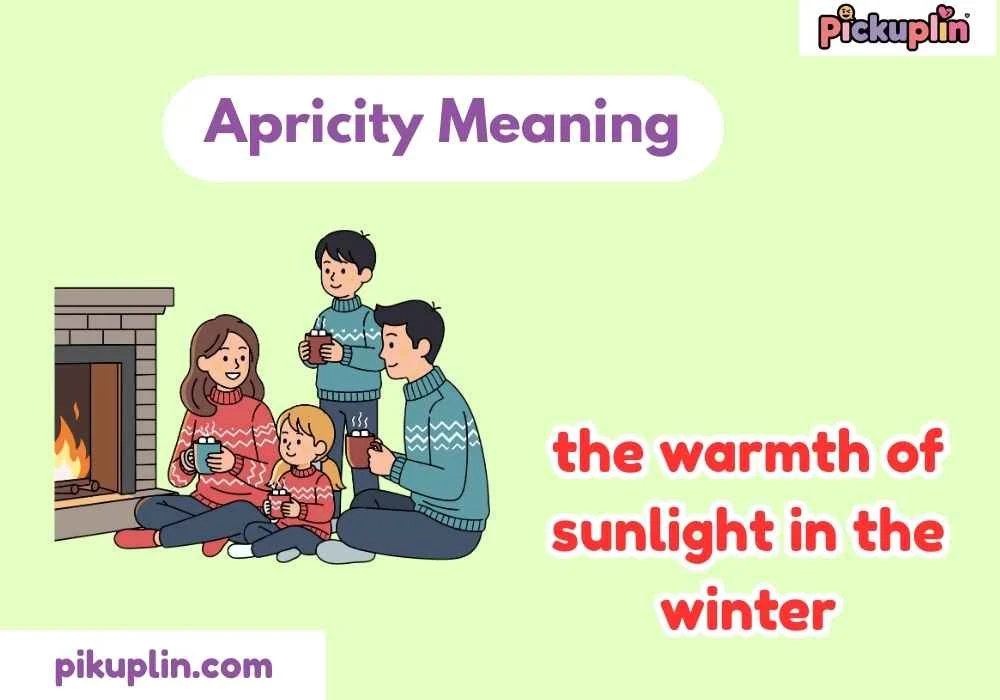
Have you ever felt a sudden, gentle sunlight on your face during a crisp winter day and wished there was a word to describe that comforting warmth? Well, apricity is that word.
🌟 It’s rare, poetic, and yet perfectly captures the simple joy of basking in the sun during cold weather.
In this article, we’ll dive deep into the apricity meaning, its origin, usage, and why it deserves a spot in your vocabulary.
What Is Apricity? 🤔
Apricity is a noun that refers to the warmth of the sun, especially during winter. Imagine walking outside on a chilly day and feeling a gentle, sun-kissed heat on your skin—that feeling is apricity. 🌤️
It’s not just about the sun; it’s about comfort, relief, and subtle joy during cold months. The word evokes a sense of calm and happiness, making it perfect for poetry, literature, and even everyday conversation.
Origin of Apricity 🌍
The word apricity comes from the Latin apricus, meaning “sunny” or “having lots of sunlight.” 📜 Over centuries, English borrowed it in the 17th century, though it remained rare and mostly used in literary contexts.
| Word | Origin | Meaning |
|---|---|---|
| Apricity | Latin apricus | Warmth of the sun during winter |
Why Apricity Is Unique 💎
- Rare Usage: Unlike “sunlight” or “warmth,” apricity is poetic and almost musical in tone.
- Emotional Depth: Conveys both physical warmth and emotional comfort.
- Visual Imagery: Instantly evokes images of winter sunlight on snow or frost-covered trees.
How to Use Apricity in a Sentence ✍️
Apricity isn’t just a dictionary word—it’s an experience. Here are some examples:
- “She sat by the window, enjoying the apricity that melted her winter blues.”
- “The apricity of the morning sun brought a rare smile to his face.”
- “Walking through the garden, he felt the apricity on his skin and remembered summers long gone.”
Apricity vs Sunlight 🌞
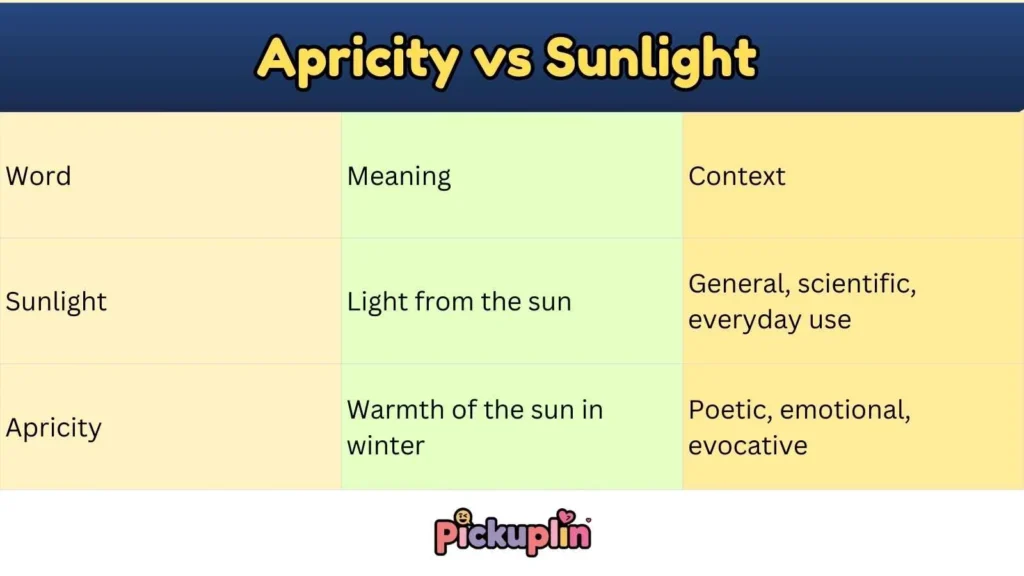
Though both words involve the sun, apricity is far more specific and emotional. Here’s a quick comparison:
| Word | Meaning | Context |
|---|---|---|
| Sunlight | Light from the sun | General, scientific, everyday use |
| Apricity | Warmth of the sun in winter | Poetic, emotional, evocative |
Emotional Impact of Apricity 💛
Apricity isn’t just physical warmth—it has a psychological effect. Studies show that sunlight, even in small doses, boosts mood, reduces stress, and increases happiness. 🌞 Using apricity in writing or speech can convey these subtle feelings of emotional comfort.
Apricity in Literature & Poetry 📖
Writers have used apricity to describe serene winter mornings and reflective moments. Here’s why it works:
- Evokes sensory imagery: warmth on skin, light reflecting on snow.
- Symbolizes hope and comfort during hardship.
- Adds elegance and precision to descriptions.
Example from Poetry
“Beneath the frosted pine, I felt the apricity touch my cheeks, a gentle whisper of sun’s embrace.”
Synonyms & Related Words 🔄
While apricity is unique, some words capture similar feelings:
- Sun warmth – literal warmth from the sun.
- Winter sun – emphasizes seasonal context.
- Solar glow – poetic, reflective imagery.
- Sun-kissed – descriptive of gentle sunlight.
Fun Facts About Apricity ❄️🌞
- Apricity is often cited as one of the most beautiful, rare English words.
- It appears in some dictionaries but is mostly considered archaic or poetic.
- It’s perfect for writers who want specificity and elegance in describing winter sunlight.
How to Incorporate Apricity in Daily Life 🌤️
You can embrace apricity beyond words:
- Step outside during winter for a few minutes of sunlight—notice the warmth.
- Describe your experiences using the word in journals or social media posts.
- Use apricity metaphorically: “The apricity of kindness warmed my heart.”
Apricity in Modern English 🌐

Though rare, apricity is making a comeback in blogs, lifestyle content, and creative writing. Using it shows vocabulary sophistication and literary awareness. Writers, poets, and content creators love it for its elegance and emotional resonance. ✨
Apricity and Wellness 🌱
Feeling apricity has real health benefits:
- Boosts vitamin D absorption 🧴
- Improves mood and mental clarity 🧠
- Reduces stress and encourages mindfulness 🧘
Apricity in Different Cultures 🌏

While the English language has apricity, other cultures describe winter sun differently. Examples include:
- Japanese: “Hidamari” – sunny spot, especially indoors.
- German: “Sonnenwärme” – sunlight warmth.
- Scandinavian: Emphasis on sunlight during long winters, often linked to mood improvement.
Practical Tips to Experience Apricity Daily 🌞
- Take a morning walk when sunlight first hits the streets.
- Open windows during winter to let natural light in.
- Sip a warm drink while enjoying a sunbeam on your face.
- Use apricity metaphorically in conversations and writing.
Apricity in Art & Photography 🎨📸
Photographers and painters often capture apricity through:
- Golden hour sunlight on snowy landscapes.
- Warm reflections on winter water or frost.
- Human expressions of comfort and contentment in sunlight.
Quotes About Apricity 💬
“Apricity is the sun’s quiet embrace, reminding us that warmth exists even in cold times.”
“In the fleeting apricity of winter mornings, we find hope and serenity.”
Common Mistakes When Using Apricity ❌
- Using it for general sunlight, not specifically winter warmth.
- Overusing it in casual contexts—it shines best in reflective, poetic, or descriptive writing.
- Confusing apricity with heat—it’s gentle, not intense.
FAQs
1. What is the meaning of apricity?
Apricity means the warmth of the sun, especially during winter, giving a comforting, gentle sensation. 🌞
2. Can apricity be used in modern writing?
Yes! It’s perfect for poetry, blogs, lifestyle articles, or any context where you want to evoke warmth and comfort.
3. Is apricity a common English word?
No, it’s rare and mostly poetic, making it unique and sophisticated when used correctly.
4. How do you pronounce apricity?
It is pronounced as “uh-PRIH-suh-tee”.
5. Are there synonyms for apricity?
Yes, words like sun warmth, winter sun, or sun-kissed carry similar feelings, though apricity is more poetic. ✨
Conclusion:
Apricity is more than just a word—it’s a feeling, a moment, and a gentle reminder of the simple joys in life.
Whether in literature, conversation, or daily experience, apricity brings warmth, comfort, and poetic elegance.
By embracing apricity, you enrich your vocabulary and your emotional awareness. 🌤️

I’m the voice behind Pikuplin, where I simplify meanings, slang, and everyday expressions in a way that actually makes sense. I love breaking down words and phrases so readers can understand not just the definition, but the real meaning behind them. Every piece I write is based on clarity, curiosity, and real human understanding.